
Business Law Firm specialized in legal and Tax advice
Introduction
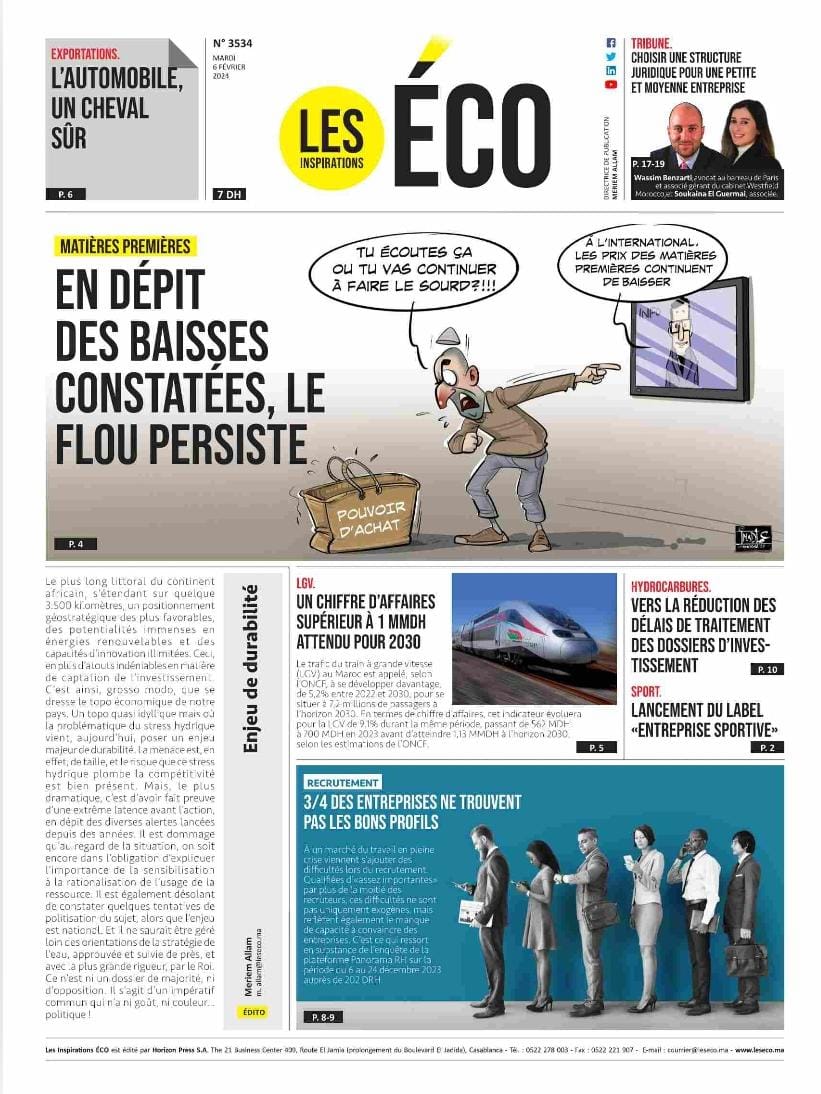
Choosing the right legal structure is a crucial step for any business, especially for small and medium-sized enterprises (SMEs) in Morocco. The majority of Moroccan SMEs prefer the limited liability company (SARL) form, due to its simplicity and low
#BRITCHAM
WEBINAR
How Morocco is becoming the new destination of choice for industrial subcontracting. May 9, 2024 at 5:30 pm
M.Wassim BENZARTI
In his speech, Wassim Benzarti, Managing Partner of Westfield Morocco, emphasized the need to strengthen the implementation of … lire la suite
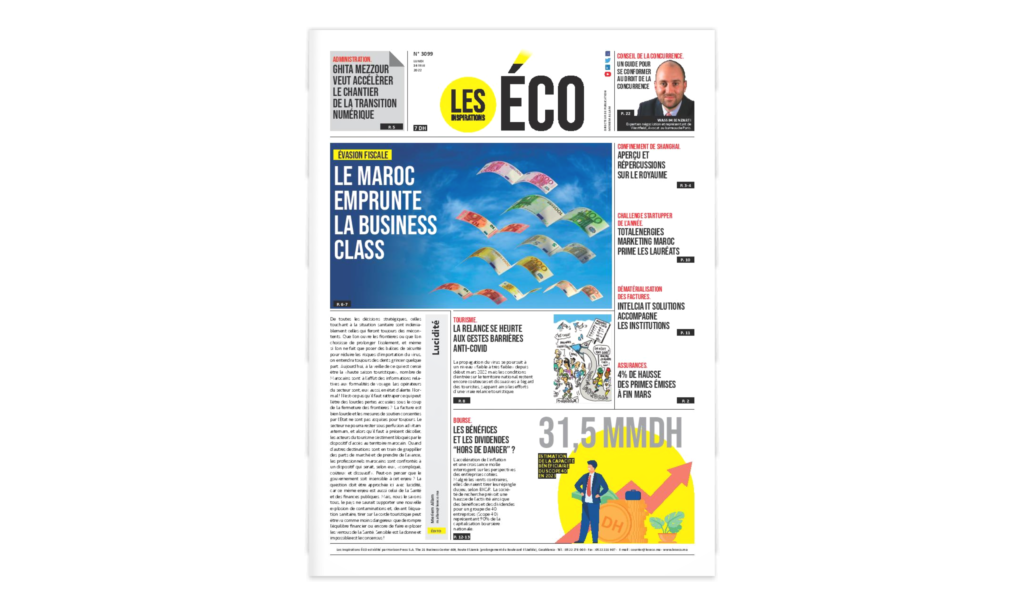
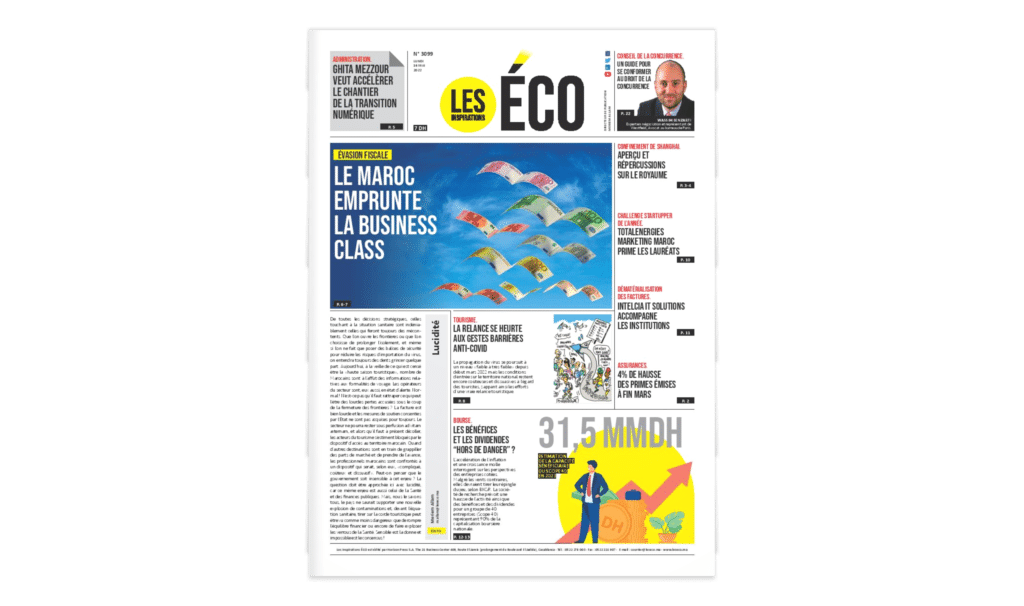
This article was published in the Les Eco edition of Monday, May 16, 2022.
The guide published by the Competition Council, at the beginning of the year on January 25 precisely, presents a very concrete approach including the principles … lire la suite

SARL is the most common and easy to incorporate vehicle. The minimum capital requirement is only 10.000 dirhams (around 1.000 … lire la suite

Yes Morocco has a fixed exchange rate for the dirham. In 2018, some flexibility was introduced (a 2.5% flexible rate).
Office des Changes is regulating the exchange of dirhams … lire la suite

In Morocco’s legislative framework, employee delegates occupy a central position as elected representatives responsible for looking after workers’ interests within companies. Regulated by Title II of the Labor Code, their main mission is to guarantee respect for employees’ rights and … lire la suite
Casablanca Finance City has established itself as a leading financial hub in Africa, attracting international companies thanks to an attractive and evolving regulatory framework. Designed to rival global hubs such as Dubai, CFC offers several categories of licenses tailored to … lire la suite
According to the Moroccan Labor Code, employers must pay particular attention to employees’ requests to telework for medical reasons. When an employee is declared unfit to continue his or her usual duties due to illness or accident, the employer must … lire la suite
By Hajar Tehhaf
In a globalized world, cross-border exchanges—whether commercial, personal, or judicial—often require the validation of official documents from one country to another. Whether it isa company wishing to establish subsidiaries abroad, a citizen applying for a visa, or the execution of an international judicial decision, the legal recognition of documents plays a crucial role. Three mechanisms are commonly used in this context: the apostille, legalization, and, in some cases, exequatur. Although they share a common goal—ensuring the legalvalidity of documents—their procedures and fields of application differ significantly. In thisarticle, we will examine these three processes in detail.
Definition and Purpose of the Apostille
The apostille is a … lire la suite